

 Proudly Canadian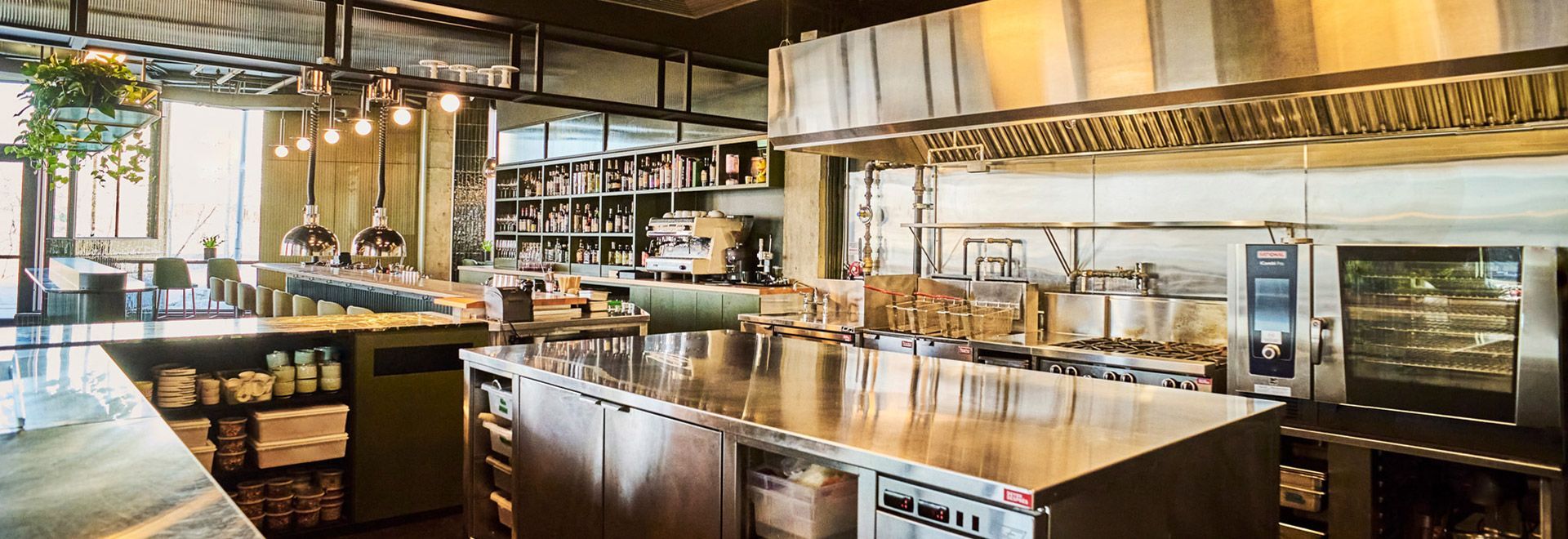
Better kitchen planning for better operation
Planning a professional kitchen is a delicate undertaking requiring considerable expertise. Guillaume Lussan, Project Department Manager at Doyon Després, shares his knowledge in the podcast “Mieux planifier sa cuisine pour mieux opérer”, hosted by Robert Dion, founder and editor of HRImag, who moderates this enriching discussion. Whether managing a kitchen for an independent restaurant, a chain, a hotel or an institution, the operational optimization of these spaces is crucial to meeting the demands of customers and employees alike. This is precisely the concern they address, examining the key elements to consider when renovating or designing a new kitchen.
Planning: new construction vs. renovation
The distinction between planning a new build and a renovation is substantial, although similarities do exist. New construction often involves contractors replicating previous projects, while renovations require contractors with more extensive experience. The difference is mainly in the level of experience of the people involved. Doyon Després' expert project team works with architects, designers and contractors to create modern, flexible kitchen and service area plans, adapting its methods to the specific requirements of each type of project.
In terms of budget, renovations can vary considerably depending on the customer's ambitions. Often, it's the design of the facade that is transformed, while the kitchen remains similar with minor adjustments. For example, the tableware can be altered by changing a few details, such as the crockery. In general, a kitchen remains a kitchen with a certain redundancy, and only what needs to be changed is changed. However, certain types of cuisine, such as japanese or mexican, require specific equipment, which means more significant changes to the kitchen.
Gender-neutral kitchens: versatile equipment
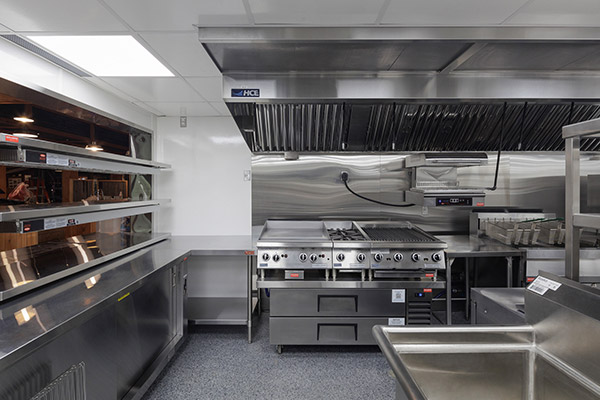
In a modern kitchen, versatile equipment is crucial. Regardless of the type of restaurant, having equipment capable of performing several functions reduces costs and increases efficiency. Guillaume insists on the question of optimal equipment utilization: equipment must be used for more than 30 minutes a day to justify its place in the kitchen. This leads to optimization of space and careful selection of the appliances needed.
Preliminary and logistical considerations
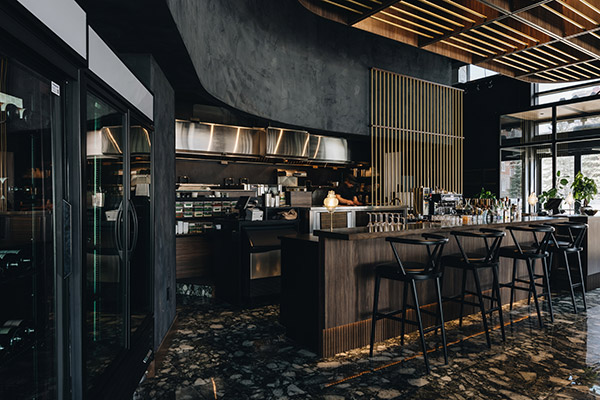
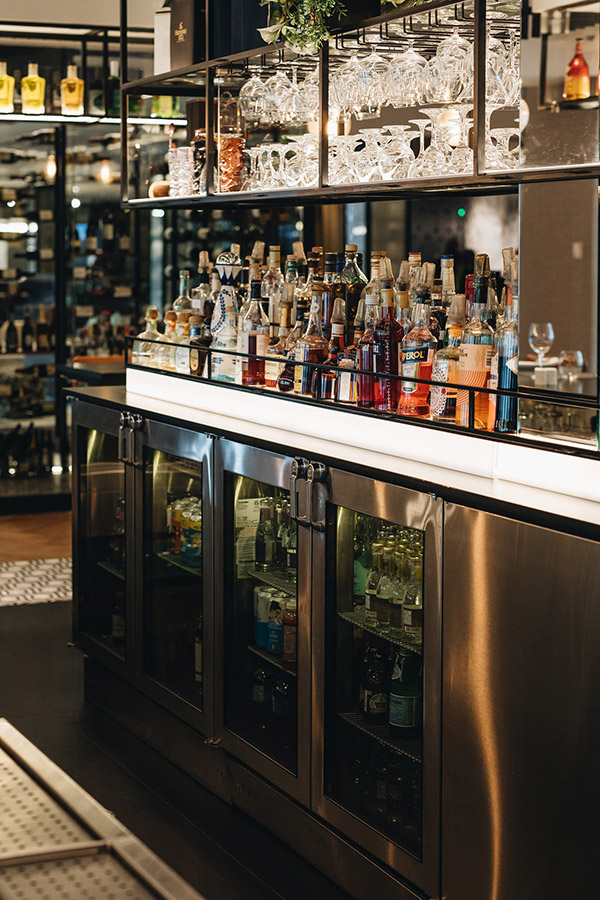
When planning a kitchen, several preliminary questions are crucial, including location and whether the project is urban or rural. In the city, a kitchen may require medium-sized sales, while in the regions, it could include a takeaway counter and a grocery section. In addition, the visible presentation of elements such as dessert fridges and pantries can optimize sales by highlighting what's on offer. It's also essential to consider simplifying and reducing the menu for greater efficiency. Floor space and the level of gas and electricity supply are also determining factors.
Storage and demonstration space plays a crucial role, especially in open kitchens where chefs can be seen in action, providing an interactive experience for customers. This trend continues, although some projects prefer a clear separation between kitchen and dining room.
Industry and the discerning consumer
Today's consumers are increasingly well-informed and demanding, and this has a direct influence on their choice of equipment. For example, while technical specifications may appear similar between local and imported products, perceived quality can vary considerably. Guillaume recommends that young entrepreneurs visit several stores and not be guided by purchase price only, as the hidden costs associated with maintenance and operation can be significant. A more economical approach at first glance may involve the risk of more frequent breakdowns, requiring diligent after-sales service. On the commercial side, customers pay more attention to websites and competitor comparisons, considering detailed documentation and specifications.
Return on investment and durability
Questions concerning the durability of equipment are essential. Traditionally, kitchens were built to last 25 years, but this lifespan is tending to shorten. It's crucial to determine whether a restaurant plans to stay open for one year, three years, or fifteen, as this influences equipment choices and initial investment.
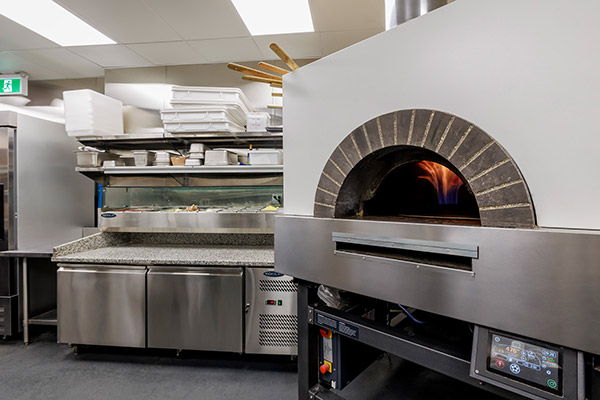
It's important to consider the infrastructure required from the outset, including ergonomics, working height, dimensions and so on. Equipment such as modern fryers, although more expensive to purchase, offer better performance and increased efficiency, making products more attractive and reducing operating costs in the long term. Similarly, combination ovens offer time and efficiency gains that justify their high initial cost.
Impact of the pandemic on the construction industry
The COVID-19 pandemic led to an increase in construction and equipment prices, as well as delays in deliveries. Although the situation has improved, with more reasonable delivery times and fewer product shortages, construction prices remain high. Doyon Després has adjusted its online products and aligned its processes to better meet current market needs.
Doyon Després: serving culinary excellence
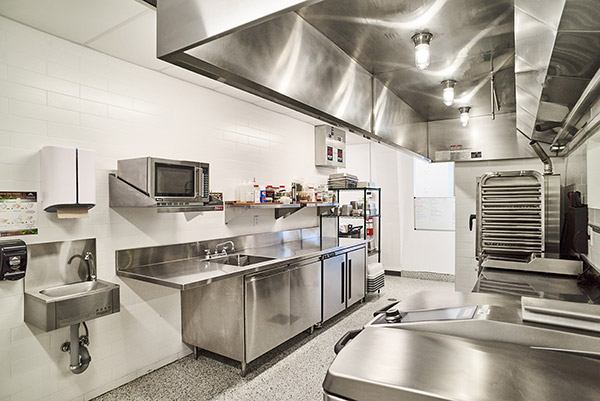
Doyon Després, Quebec's leading distributor of kitchen supplies and equipment, continues to innovate and adapt its products to the changing needs of restaurateurs. By listening to experts like Guillaume Lussan, entrepreneurs can better plan and optimize their kitchens to ensure smoother, more profitable operations. To find out more about effective planning for professional kitchens, don't miss our captivating podcast “Mieux planifier sa cuisine pour mieux opérer”.
* French audio only.