

 Proudly Canadian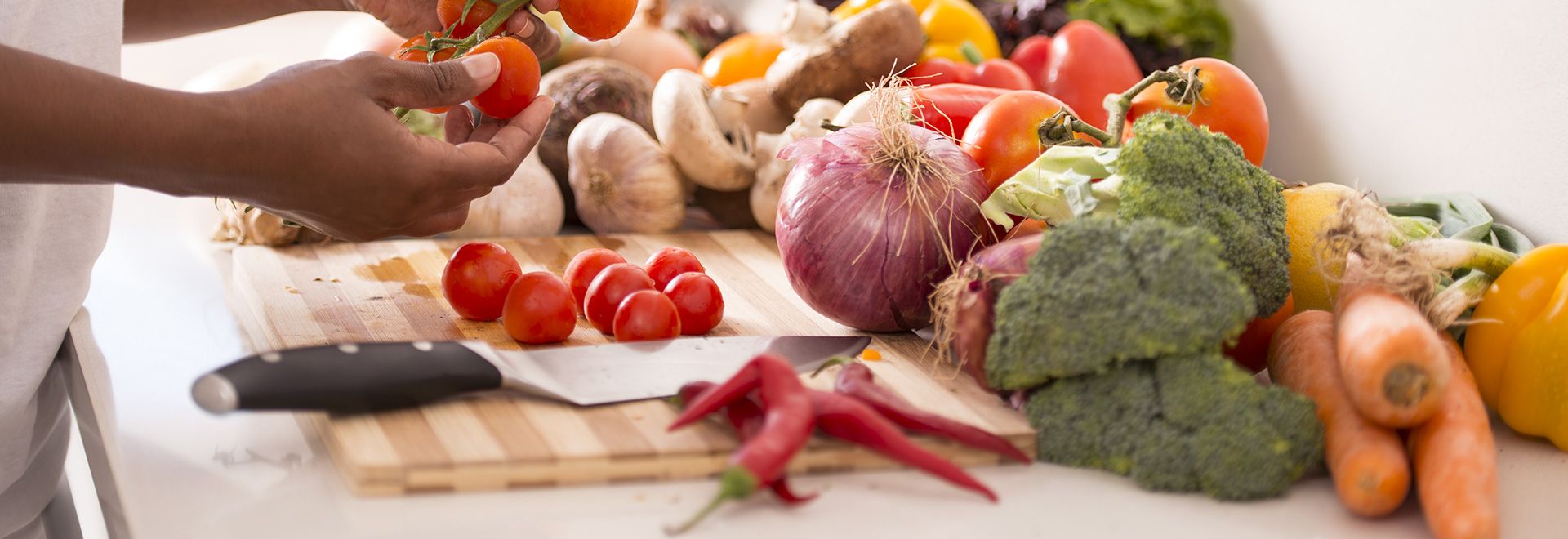
Storing Garden Harvests to Preserve Them Longer
Not only do you have a green thumb, but your garden soil has been especially fertile this year? Can’t consume all the harvested fruits and vegetables in the short term?
This is a happy problem with many solutions! This article is dedicated to presenting four of the most popular ones.
Cookbook authors and cooking show hosts might suggest using them to prepare dishes. Instead, we propose storing them!
Processing Before Storing
Many fruits and vegetables harvested from a garden are traditionally preserved in their original form, meaning they undergo no transformation.
Other fruits and vegetables are processed into different forms to make them easier to consume later or store, regardless of the chosen preservation method.
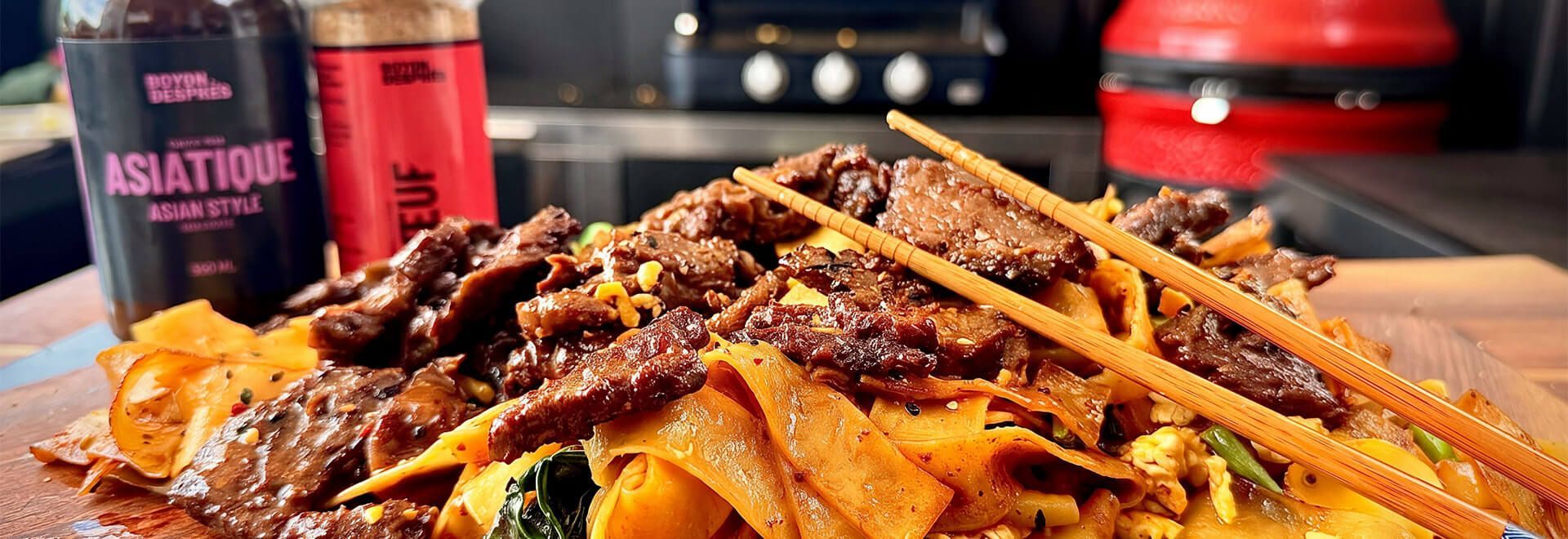
It’s common to cut them—for example, into cubes, slices, spirals , or ribbons—or to turn them into purées and sauces using a food mill or tomato press.
In both cases, the fruits and vegetables can be consumed immediately after processing or undergo a treatment to extend their shelf life.
Extending Shelf Life
Refrigeration – Several Days
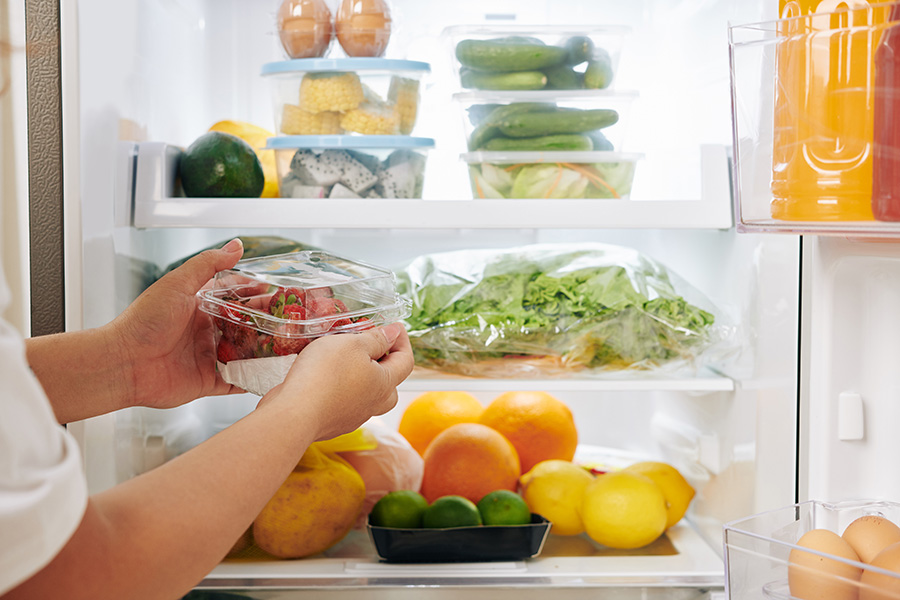
Fruits and vegetables harvested from your garden, like those bought at the supermarket, can be stored in the refrigerator for a few days.
If you want them to last several days, you can place them in containers or bags that slow their deterioration.
It’s best to keep them in a thick bag or an airtight glass or plastic container. The less exposure to oxygen, the longer they’ll remain edible.
Even better, delay harvesting them. The longer they stay attached to the plant that nourished them throughout their growth, the fresher they’ll remain.
Vacuum Sealing – Several Months
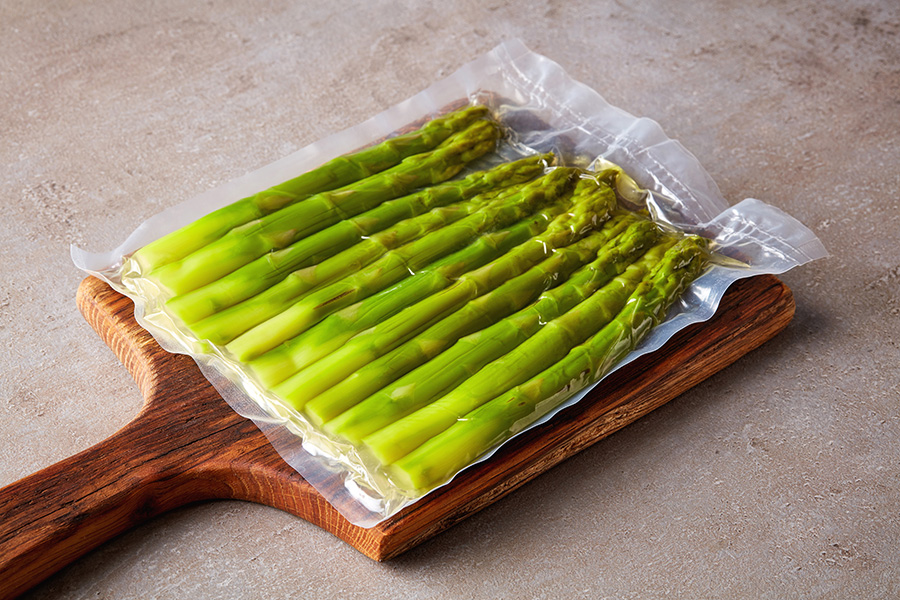
Whole or cut fruits and vegetables can be sealed in bags designed for long-term preservation and freezing.
Vegetables can be blanched before vacuum sealing. Blanching slows enzyme production. Raw fruits and vegetables can also be vacuum-sealed.
External vacuum sealers aren’t designed for sealing bags with liquids. For these, opt for a chamber vacuum sealer.
If the vacuum-sealing process is done correctly, vacuum-sealed foods can be stored in the freezer for several months, or even a few years.
Dehydration – Several Months
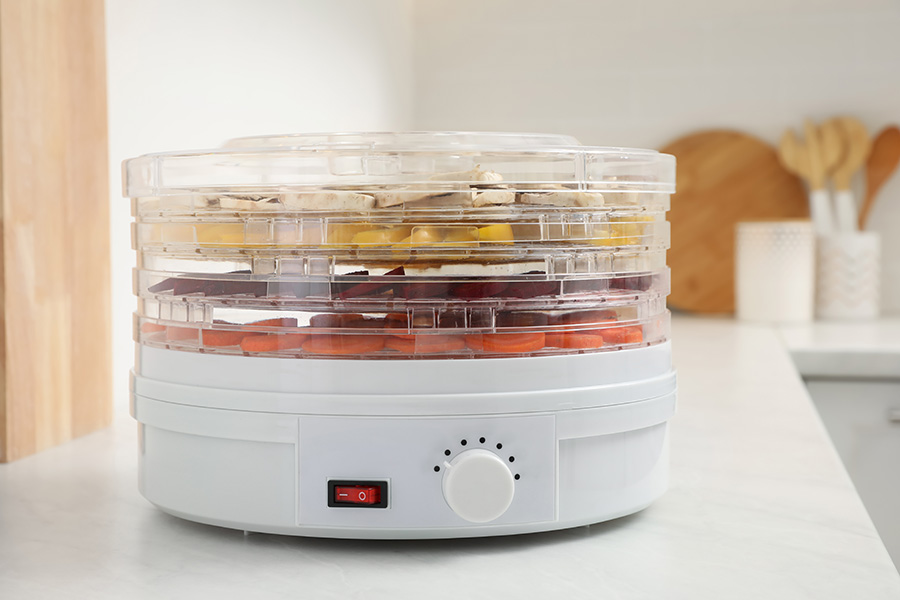
Dehydration is a process that removes water from fresh foods like vegetables, fruits, and herbs, typically using a dehydrator.
The major benefit of dehydration is the preservation of nutrients. The state of the food changes, but its composition and benefits remain the same.
Dried foods, once stored, can last for several months. They also take up much less space than water-rich foods.
Those looking for alternatives to eating raw or cooked fruits and vegetables may find dehydration an appealing option.
Canning – Several Months
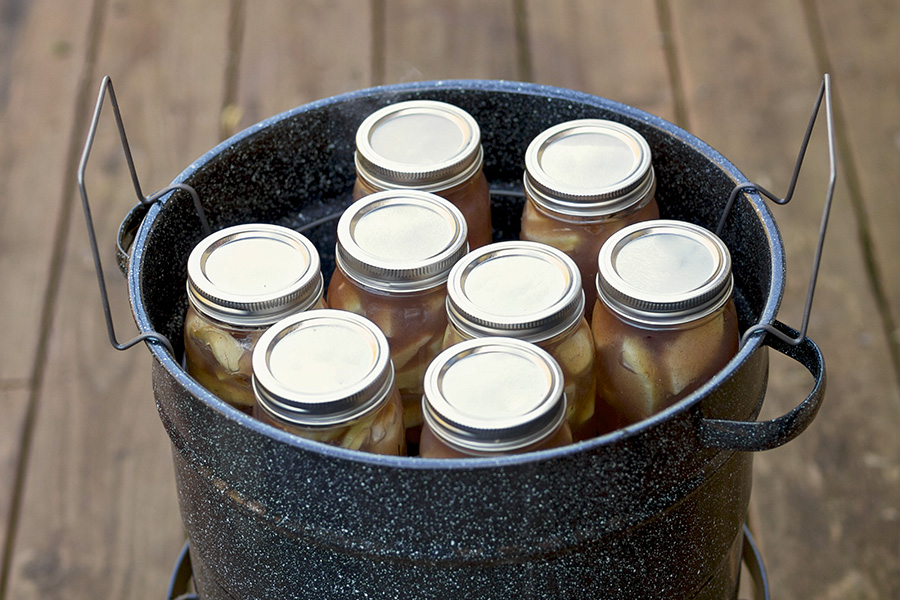
Canning is a highly reliable method when done properly. Caution is crucial when canning foods.
Semi-liquid preparations and foods preserved in liquid are typical contents of canned goods. Think pickled vegetables, ketchup, or spaghetti sauce.
There are two methods: canning with a pot or a pressure canner. It’s not a choice—each method corresponds to a specific category of preserves.
Determine which of the two is most suitable for preserving the foods or preparations you want to store before starting the canning process.
What About Herbs?
We didn’t mention herbs much in the previous section, so here’s some information on their long-term preservation:
Herbs can be refrigerated, vacuum-sealed, or dehydrated just like fruits and vegetables. However, canning them doesn’t seem practical.
They can be stored whole or processed into a sauce or purée, such as pesto or chimichurri, using a food processor or hand blender.
Proven Methods
Were you familiar with food dehydration before reading this article? Had you already noticed the benefits of vacuum-sealing fresh foods?
All the methods presented above can be applied to various food categories, not just fruits and vegetables.
We encourage you to gather all relevant information about your preferred method(s) from reliable sources to ensure you execute them correctly.