

 Proudly Canadian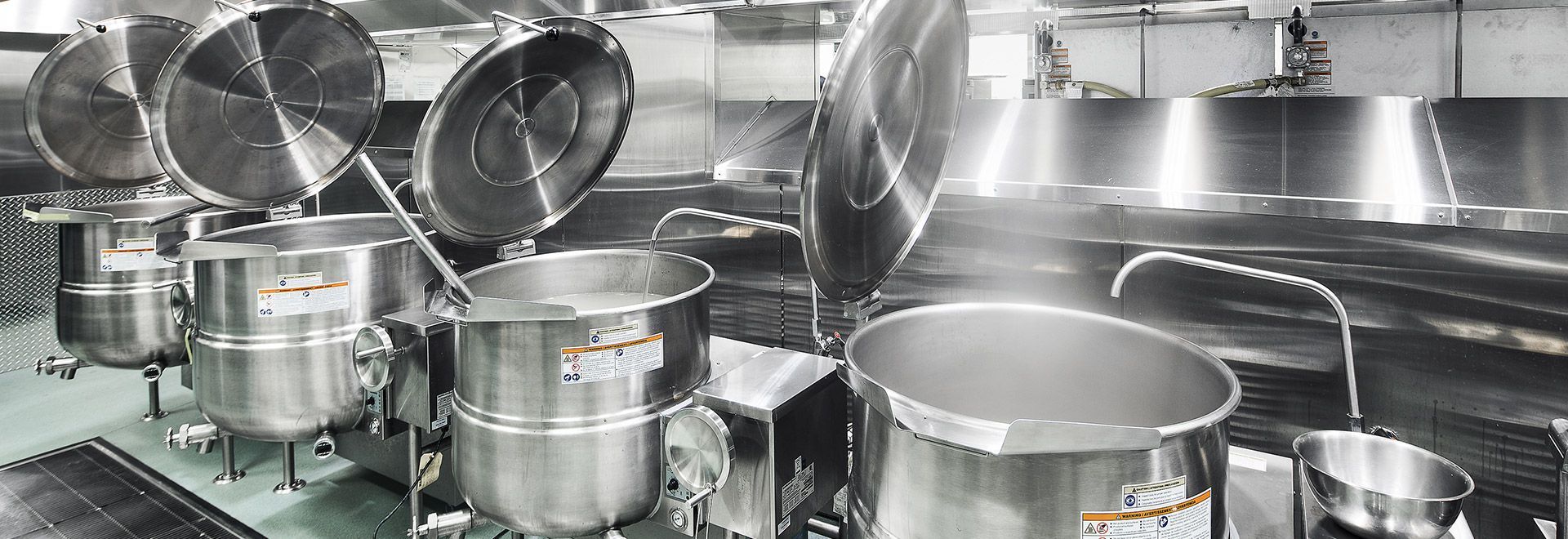
Stationary and Tilting Kettles and Steam
Stationary and tilting kettles are commonly used in commercial kitchens for cooking liquid and semi-liquid preparations as well as solid foods. These include, among others, soups, sauces, stocks, pasta, vegetables, puddings, and pastry cream. Jean, our food service consultant, has once again agreed to share his valuable knowledge, this time about these devices.
Two Formats, Two Configurations
Although similar in many ways, tilting and stationary kettles operate somewhat differently due to their unique features.
Tilting Kettles
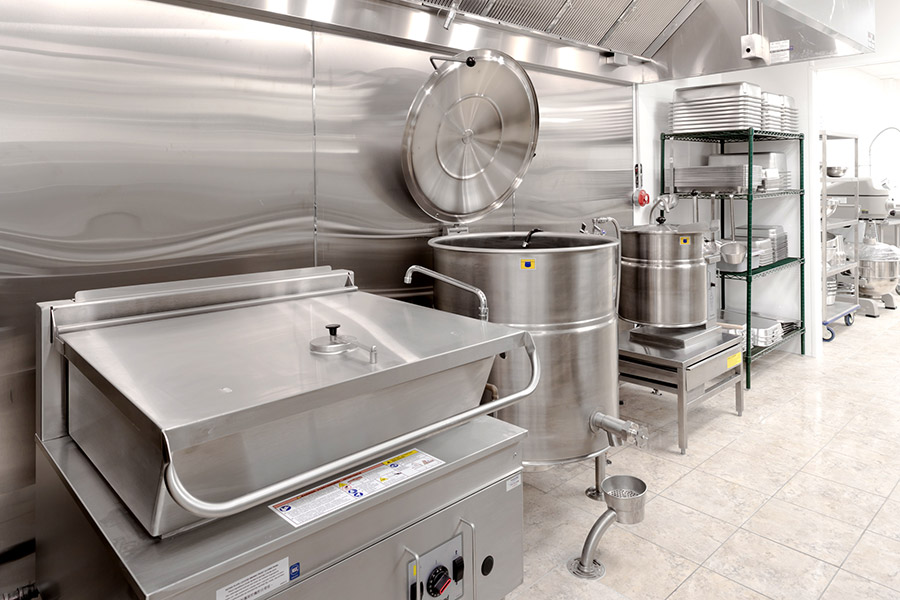
Tilting kettles ranging from 3 to 12 gallons are manually operated, while those with a capacity of 20 gallons or more are tilted using a crank. While food and preparations can be removed by tilting the kettle, content can also be extracted through an opening on the top. The effort required to use and tilt these devices is minimal, as the tilting mechanism is very user-friendly.
It is preferable for these kettles to be installed in front of a floor sink with a removable grate, a setup that makes draining wash water easy.
Stationary Kettles
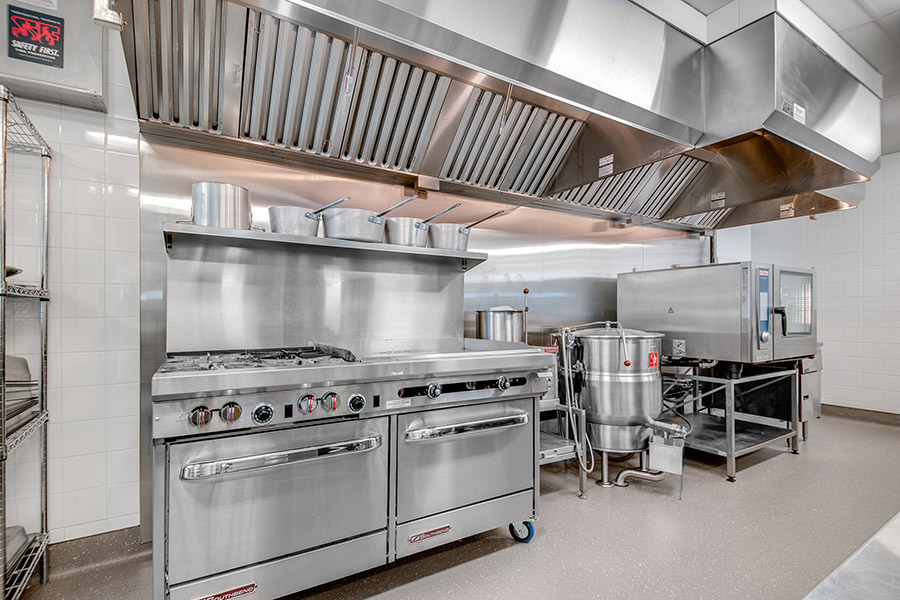
Stationary kettle users have two options for removing contents: from the top or the bottom of the kettle. If removed from the top, foods are scooped out with a ladle or strainer and placed into a container, suitable for thick preparations and solid foods. The drain valve at the bottom of the kettle, typically two inches in diameter, is used for liquid preparations. Small food particles might flow through the drain valve; a larger diameter valve can be installed, though this option is expensive.
Common Features
Size and Capacity
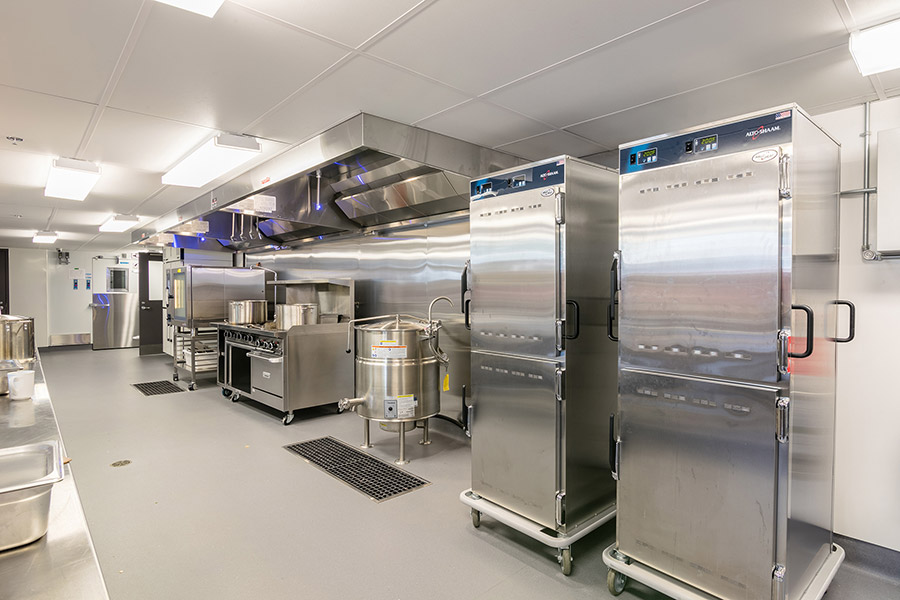
Floor models are numerous; the smallest tilting and stationary kettles can hold 20 gallons, while the largest have a capacity of 150 gallons. Countertop models are tilting with a base that might include a drain drawer, a basin, and a grate for draining cleaning water.
Kettle Wall
Some kettles have a fully double-walled kettle, recommended for semi-liquid preparations like custards. For solid foods, Jean believes kettles with a double wall extending two-thirds of the way up are quite suitable. Both options are available for tilting kettles, but all stationary kettles have a double wall extending two-thirds up.
Power Sources
Stationary and tilting kettles can be powered by one of these fuel or energy sources:
- Electricity - Heating element in the outer wall
- Natural Gas or Propane - Integrated heating system
- Direct Steam - Steam coil in the outer wall
Various Options
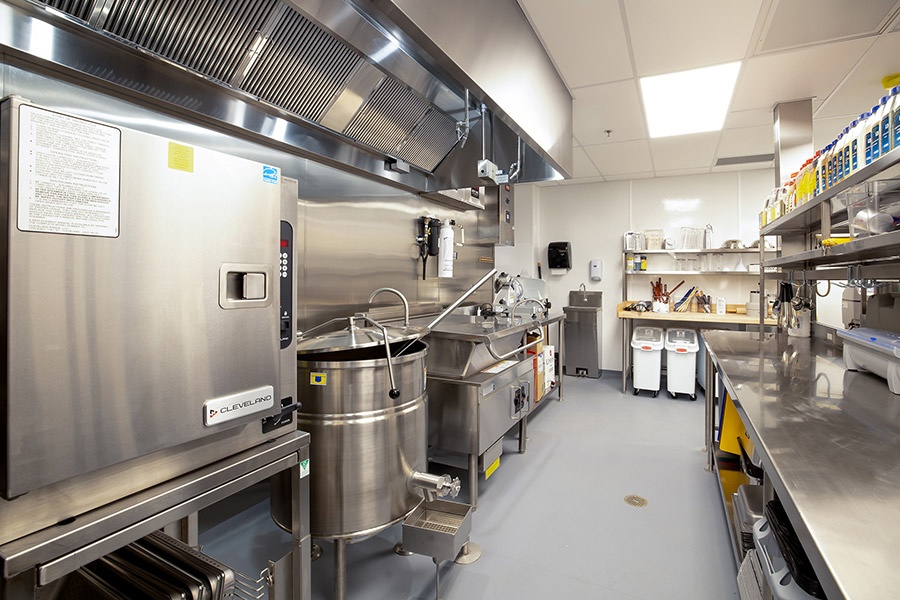
Commercial-grade equipment rarely has superfluous options. The options offered for kettles can facilitate the maneuvers done with them:
- Single or Double Cleaning and Filling Faucet - Jean recommends selecting a kettle with two faucets for hot and cold water.
- Large Drain Valve - A three-inch diameter drain valve is very expensive, thus only offered upon request.
- Removable Swivel Funnel - Recommended for stationary kettles to prevent floor depression.
- Interior Coating with 316 Grade Stainless Steel - Acidic foods can damage 304 grade stainless steel but not the more resistant 316 grade.
- Motorized Mixing Arm - Useful only for foods and preparations that need constant stirring during cooking.
- Grated Inner Containers - Hung on the sides or top of the kettle, mainly used for cooking pasta.
- Floor Stand with Grated Drawer - Used for effectively draining tilting kettles from 3 to 20 gallons.
Steam
To power a steam appliance, the building housing the kettle must be equipped with a central boiler. The non-sanitary steam produced in most commercial and institutional establishments can be used to power both stationary and tilting kettles. The steam-powered appliances have their own boiler producing sanitary steam, which never comes into contact with the food in the kettle. They are all equipped with a pressure regulator and a safety valve to prevent potentially dangerous pressure overruns.
Is a Kettle the Right Appliance for You?
What type of kettle should you choose? Which options should be selected to optimize use, facilitate cleaning, and extend the life of the kettle? Our representatives and food service consultants can answer these questions and others that are crucial to consider before purchasing equipment.
Can't answer the ultimate question, "Can a kettle meet some of my needs?" Consult one of our specialists to help you make a decision!