

 Proudly Canadian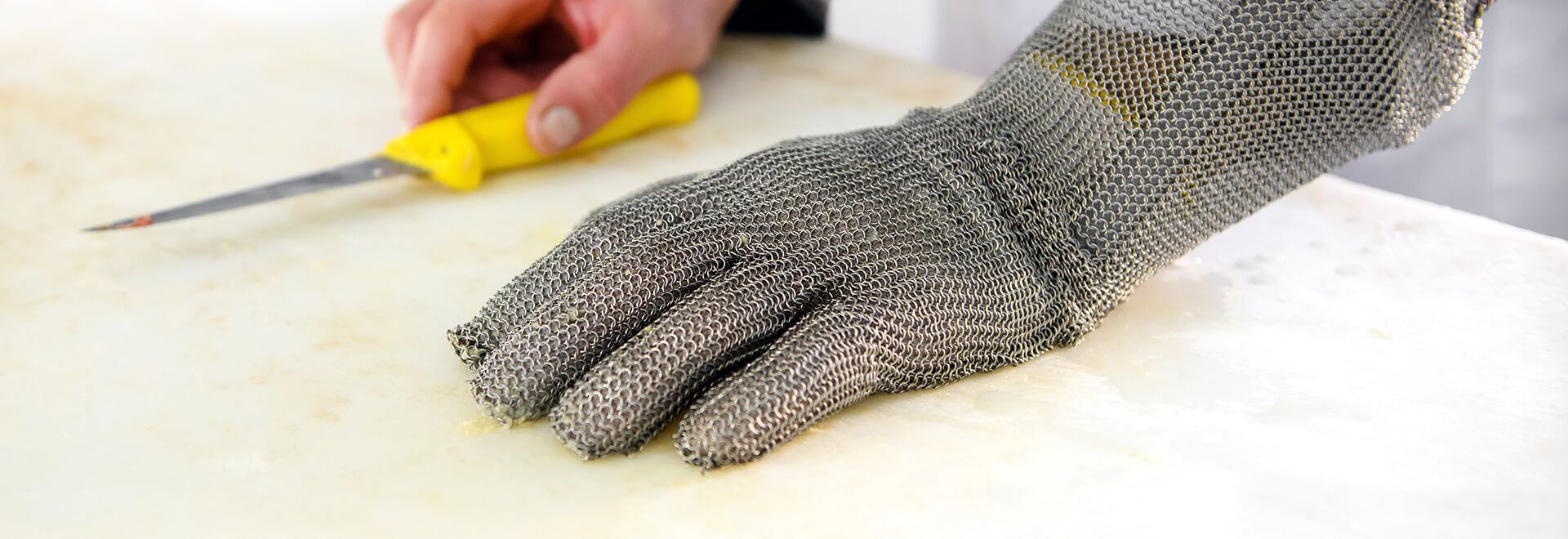
Good Tools for Butchering Meat and Poultry
It’s not so easy to substitute kitchen tools designed for specific tasks characterized by a certain level of complexity.
Substitution has its limits, especially if it means the tools used might ultimately make tasks more difficult or even dangerous to perform.
With this article, we aim to raise your awareness about using the right tools for complex activities like butchering and cutting meat and poultry.
Our sole objective is to show you how using the right tools for a specific task is beneficial in many ways.
Butchering Knives vs. All Other Knives

As we’ve stated in other articles, it’s important to use knives for their intended purpose to ensure task efficiency and personal safety.
The boning knife, as you might have guessed, is the ideal knife for separating flesh from bones in cuts of meat and poultry.
Anyone wielding this knife can expect great precision thanks to its thin, flexible blade, regardless of the size or delicacy of the piece being butchered.
Sometimes, other knives are needed to complete the butchering process, such as the butcher knife, scimitar knife, cleaver, and saw—all distinctly different and unique.
Butchering Block vs. Any Other Cutting Board
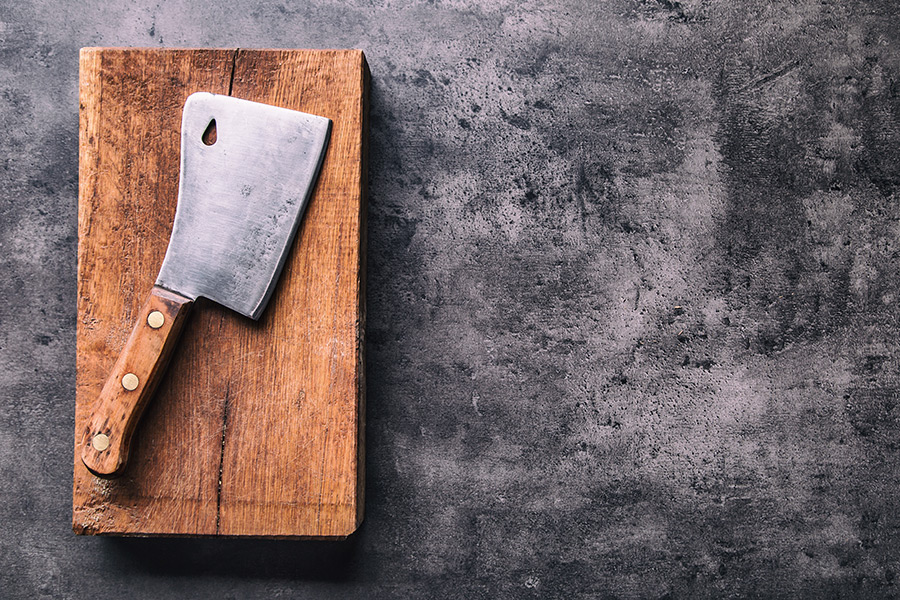
Butchering blocks are thicker than standard cutting boards, making them heavier and more stable. These are important features to consider for an activity like butchering.
Greater stability also means greater safety. It’s essential to use a stable board when handling knives and large food items.
Since butchering often requires cutting through bones and other materials with force to break them, it’s better to equip yourself with a board that can withstand any impact.
On many butchering block models, a groove—a small channel—is carved to collect liquids that drain from the meat and poultry being handled.
Poultry Shears vs. All Other Scissors
Poultry shears are equipped with a row of teeth, either on the blades or handles, and have relatively long, tapered blades, making them very practical for delicate operations.
Some poultry shear models resemble kitchen scissors, but many stand out due to their narrow bodies. Most models are typically ambidextrous.
You’ll also notice that some models have symmetrical blades while others have asymmetrical ones. The same applies to the handles.
Choosing one model over another depends on the user’s comfort and preferences. You need to find the tool that feels the most comfortable to use.
Vacuum Sealing vs. Any Other Packaging
What happens when food is exposed to oxygen for a long time? Its composition changes, and it eventually becomes inedible.
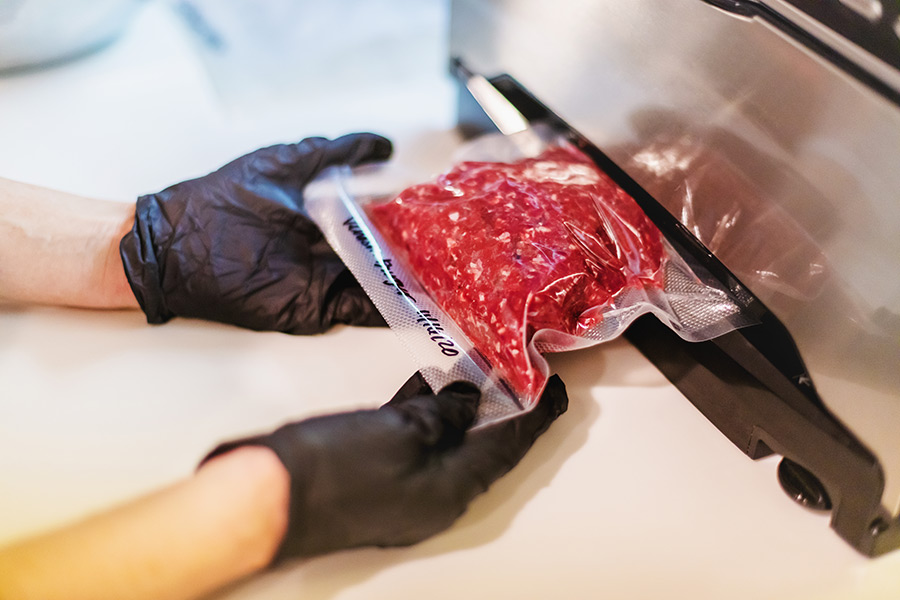
To avoid wasting hunted or store-bought meat and poultry, it’s best to place them in bags from which as much oxygen as possible has been removed before sealing.
This method, known as vacuum sealing, is the only one to consider for ensuring the long-term preservation of meat and poultry, even when frozen.
You can also opt for butcher paper as a packaging solution, though it doesn’t match vacuum-sealed bags. Still, it’s well-liked by butchers.
Best Practices for Home Butchering
When it comes to prevention, you don’t need to be an expert from the Quebec Ministry of Agriculture, Fisheries, and Food (MAPAQ) to figure out some of the golden rules of butchering.
Here are four of the most important rules:
Hygiene Practices
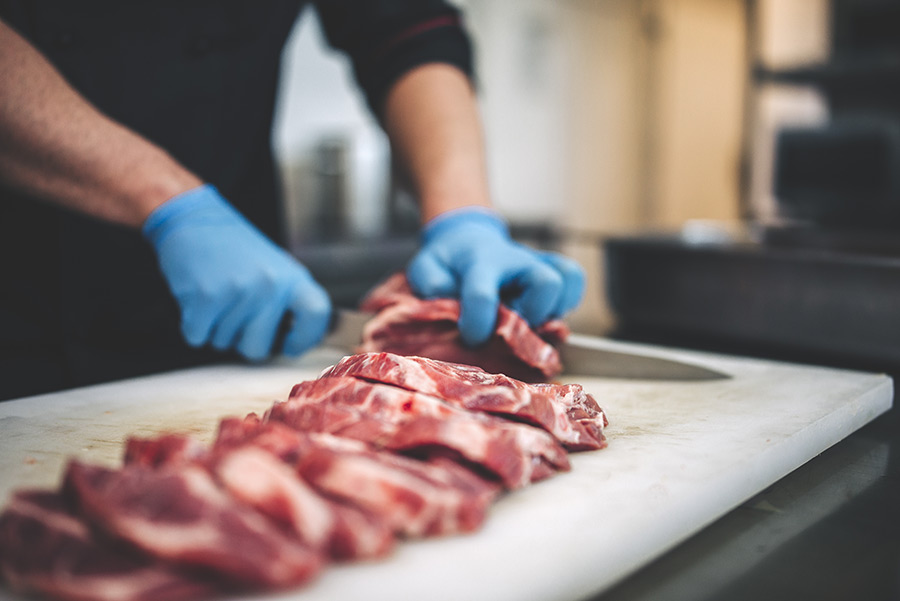
It’s crucial to wash your hands regularly or promptly discard gloves worn while handling meat or poultry after completing a task.
Additionally, it’s important to thoroughly disinfect the surface where the tools were used and properly clean the tools themselves to remove all traces of liquids or residue.
Safety Practices
Whether you’re familiar with butchering or not, we suggest wearing stainless steel gloves when handling a knife to reduce the risk of injury.
It’s also recommended to keep your workspace clean and ensure no elements that could pose a hazard or interfere with tasks are present.
Effective Task-Specific Tools
Many kitchen items are practical for various tasks. However, for specific and complex tasks, it’s better to opt for specialized tools.
It might seem unnecessary to buy items that will rarely be used, but it’s a wise decision if it means improved performance and increased safety.
If you love cooking and all its related disciplines, having these tools in your kitchen might inspire you to create more opportunities to use them regularly!