

 Proudly Canadian
Champagne Coupes, Flutes, and Glasses: It's All About the Shape
We turned to one of our main suppliers of glasses designed for serving various alcoholic beverages, Riedel, to inform you about champagne glasses. For now, we'll refer to them all by the generic term "glasses" since there are three typical formats, and thus three names, based on specific characteristics. Riedel has been associated with glass and glass design since the 17th century, making it logical to draw on their expertise for this article.
Symbolic beverage

Champagne, let's recall, is wine, a sparkling wine characterized by a unique taste and a name that is subject to an appellation contrôlée possibly more famous than any other. Its aficionados buy it to celebrate various events; they purchase one or several bottles, store them, and only open them on special occasions. Such a unique beverage should be enjoyed in equally unique, and very attractive, glasses. However, do not make aesthetics your only selection criterion.
Three ways to taste
As mentioned earlier, there are three types of champagne glasses: the coupe, the glass and the flute. These containers have each had their moment of glory in different eras. It's the shape of the bowl that differentiates them, and more importantly, influences the quality of the champagne tasting, regardless of its quality level. What makes champagne champagne are its divine aromas and the bubbles that make it effervescent. It would be unfortunate for these two aspects to be overshadowed.
Champagne Coupe
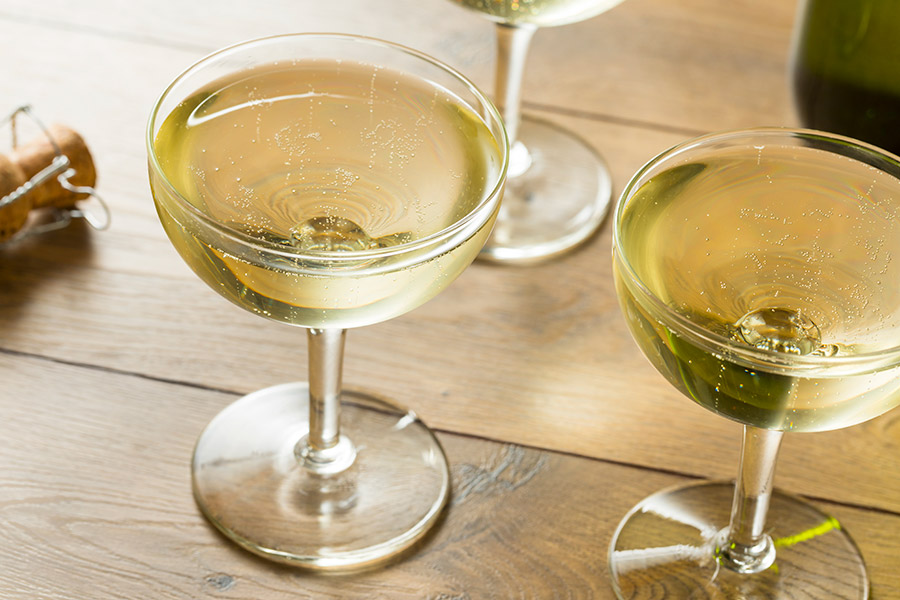
The champagne coupe has been popular several times since its creation, most recently just a few years ago. Not everyone is pleased, as some argue that the coupe is not an appropriate vessel for serving champagne to highlight its qualities. In a coupe, champagne is transformed: the bubbles disappear, as do the aromas. According to Riedel, aromas influence our perception of taste by as much as 70%. Therefore, the drink loses its attributes as soon as it's poured into champagne coupes. Coupes are beautiful but undoubtedly poor partners for champagne.
Champagne Flute
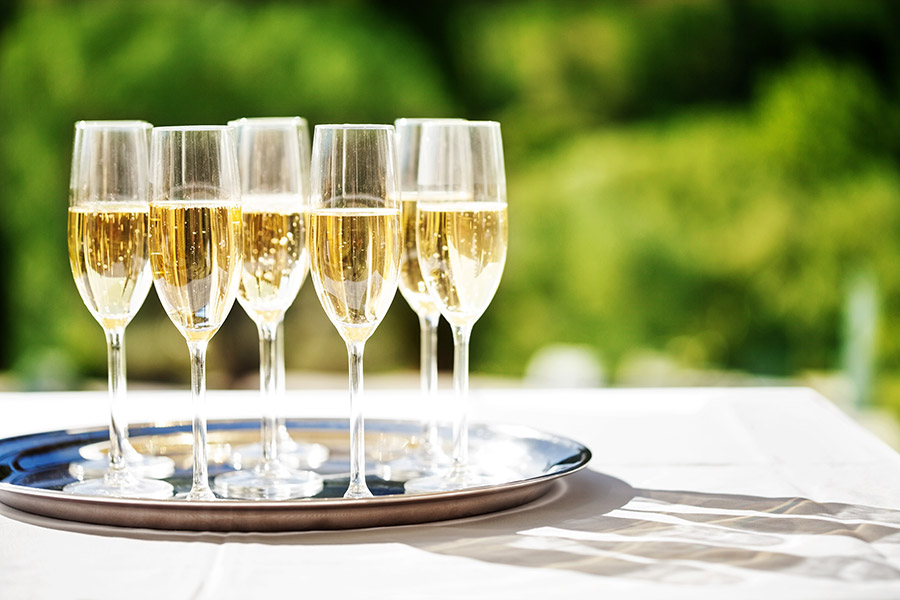
Champagne is usually consumed in honor of individuals or an event. We ensure that all guests have a glass in hand, and we toast! You can serve the contents of a bottle to ten or fifteen guests when using flutes. They were created, among other reasons, to serve multiple people. Most flutes are characterized by a small capacity and a relatively narrow, elongated body, making them look delicate and sophisticated. They are designed to preserve the bubbles well, however, their narrow body does not adequately reveal the champagne's aromas.
Champagne Glass
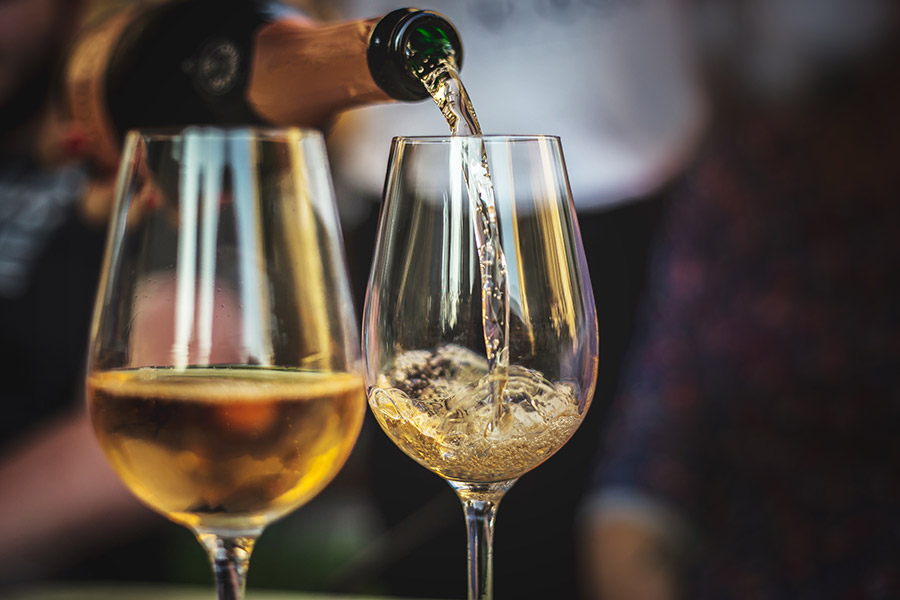
This brings us to the champagne glass, which Riedel considers the best among the three options. The champagne glass is identical in every way to a wine glass. Since champagne is wine, Riedel suspected it would be the ideal vessel for its tasting. There are two models for champagne glasses. The tulip-shaped glass is suitable for champagnes made from Chardonnay grapes, revealing their aromas so that the tasting is enjoyable for those engaging in this activity. Rosé champagne pairs excellently with the glass used for Pinot Noir tasting, which has a large bowl and a relatively narrow opening.
If you had to choose just one?
In short, Riedel has moved away from the flute in favor of the glass, which, according to the company, has yielded very conclusive results in taste tests conducted with both types of glasses. Champagne glasses were not designed to please users aesthetically but to provide a unique multisensory experience. After all, you buy all sorts of glasses for wine and spirits to better enjoy them, not just to collect them and store them in a cupboard! Champagne is a drink for celebrations, one which we implore you to serve in the right glass so that your nose and taste buds can discover all its subtleties.
Reference: https://www.riedel.com/en-ca/blog